The Interstitium: A Fascinating Bridge Between Modern Science and Chinese Medicine
A recent May 11th article in The New York Times highlighted growing scientific interest in the interstitium — a body-wide network of connective tissue and fluid-filled spaces that may play a much larger role in human health than previously understood. For many practitioners of Chinese medicine and acupuncture, this emerging research feels both exciting and deeply familiar.
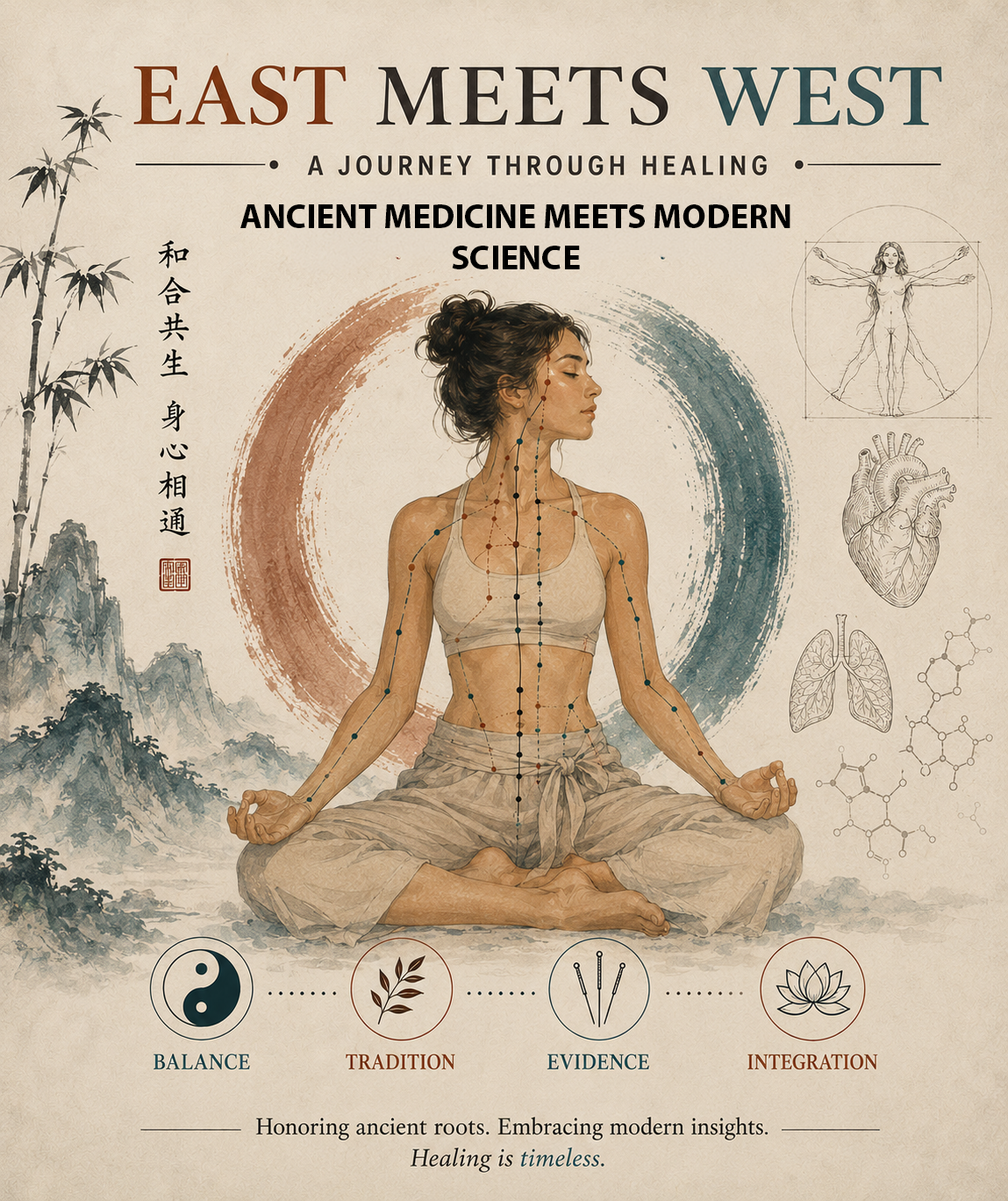
Traditional Chinese Medicine (TCM) has long viewed the body as an interconnected system where communication, movement, and balance are essential for health. Acupuncture channels, or meridians, have historically been difficult to explain through the lens of Western anatomy. However, modern research into fascia, connective tissue networks, and the interstitium is beginning to offer possible biological insights into how acupuncture may influence the body.
The interstitium appears to function as a dynamic communication network throughout the body, helping transport fluid, support tissue health, and potentially influence inflammation, healing, and cellular signaling. Interestingly, many acupuncture points and meridian pathways align closely with fascial planes and connective tissue structures.
This does not mean ancient Chinese medicine “needed” modern science to validate it. Acupuncture has helped patients for thousands of years. However, it is inspiring to see contemporary research opening new conversations between Eastern and Western medicine — especially in areas involving pain management, stress reduction, women’s health, fertility, and integrative care.
As research evolves, the interstitium may become an important area of study in understanding how touch, movement, acupuncture, and connective tissue therapies affect overall wellness. It is an exciting reminder that medicine continues to grow when different healing traditions are explored with curiosity and respect.
— Dr. Susan Minich DACM LAc CNM MSN