Placenta Encapsulation: A Modern Practice Through the Lens of Chinese Medicine

Placenta Encapsulation: A Modern Practice Through the Lens of Chinese Medicine

Placenta encapsulation has become an increasingly popular topic in postpartum care conversations. For many new parents, it sits at the intersection of traditional wisdom and modern wellness—offering a way to support recovery during one of the most physically and emotionally demanding transitions in life.

But what exactly is placenta encapsulation, and how does Chinese medicine understand its role in postpartum healing?

What Is Placenta Encapsulation?

Placenta encapsulation is the process of preparing the placenta after birth by steaming, dehydrating, and grinding it into a powder, which is then placed into capsules. These capsules are taken in the days and weeks following birth as a way to support recovery.

While this may sound like a modern trend, the therapeutic use of placenta has deep roots in traditional medicine systems, including Chinese medicine.

A Chinese Medicine Perspective: Zi He Che

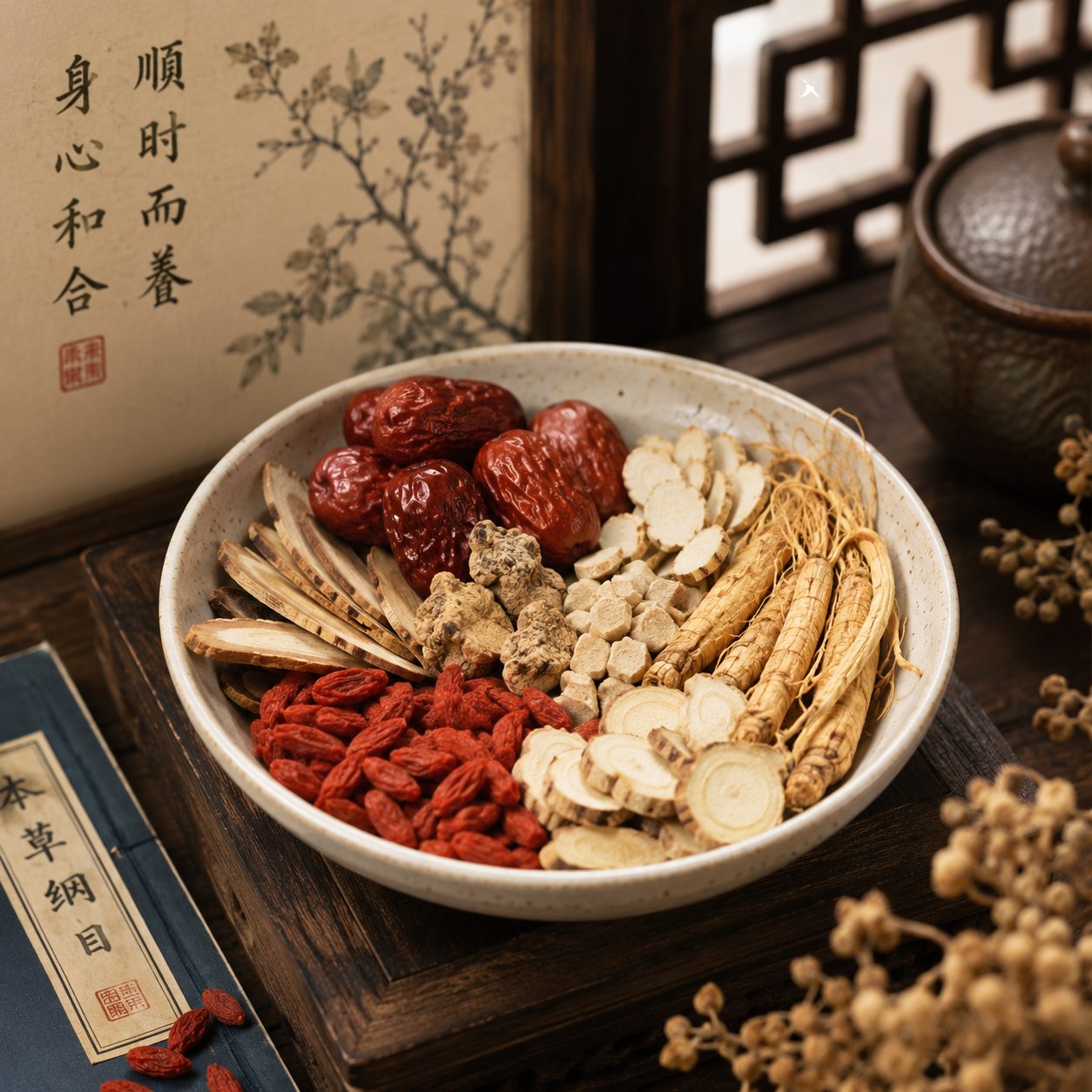
In Traditional Chinese Medicine (TCM), the placenta is known as Zi He Che (紫河车) and is considered a powerful tonic. Historically, it has been used to restore vitality, particularly in cases of significant depletion.

From a TCM perspective, childbirth is understood as a profound expenditure of Qi (energy), Blood, and Jing (Essence). Even under the best circumstances, this loss leaves the body in a temporarily deficient state—one that requires intentional nourishment and support.

Zi He Che is traditionally valued because it directly addresses this depletion.

Why the Postpartum Period Matters So Much

In Chinese medicine, the postpartum window is often referred to as a critical period for long-term health. What happens in these weeks doesn’t just affect short-term recovery—it can influence energy, hormonal balance, and resilience for years to come.

This is why practices focused on rest, warmth, and nourishment are emphasized so strongly.

Placenta encapsulation, when appropriate, can be one tool within that larger framework.

Potential Benefits Through the TCM Lens

Rather than viewing placenta encapsulation as a one-size-fits-all solution, Chinese medicine looks at how it supports specific patterns of imbalance.

1. Rebuilding Qi and Blood

Fatigue, dizziness, and a sense of depletion are common after birth. Zi He Che is traditionally used to tonify both Qi and Blood, helping to restore energy and physical strength.

2. Supporting Emotional Balance

In TCM, the Liver is closely tied to the smooth flow of emotions and is nourished by Blood. When Blood is deficient, emotional symptoms such as irritability, anxiety, or tearfulness may arise. Supporting Blood can help stabilize mood during this sensitive time.

3. Nourishing Kidney Essence (Jing)

The Kidneys, in Chinese medicine, govern reproduction, growth, and deep reserves of vitality. Pregnancy and birth draw heavily on this system. Zi He Che is believed to help replenish this foundational energy.

4. Promoting Lactation

Adequate Qi and Blood are essential for breast milk production. By supporting both, placenta encapsulation may help with milk supply in some individuals.

5. Warming and Stabilizing the Body

After birth, the body is considered more vulnerable to cold. The preparation method—especially when steamed with warming herbs—aligns with the TCM principle of restoring warmth and balance.

Who Might Benefit Most?

From a Chinese medicine perspective, placenta encapsulation may be particularly supportive for those showing signs of deficiency, such as:

  • Persistent fatigue or low energy

  • Pale complexion or dizziness

  • Low milk supply

  • Emotional sensitivity or feelings of depletion

  • A generally “run down” feeling after birth

When It May Not Be Appropriate

One of the core principles of Chinese medicine is that not every therapy is right for every person.

Placenta encapsulation may not be recommended in cases involving:

  • Signs of heat or infection

  • Certain excess conditions

  • Placental abnormalities

  • Specific medical complications during labor or postpartum

This is why individualized assessment matters.

Bridging Tradition and Modern Care

It’s important to acknowledge that while many people report meaningful benefits from placenta encapsulation, scientific research remains limited. This doesn’t invalidate the practice—but it does highlight the importance of informed, balanced decision-making.

Placenta encapsulation should be viewed as a complementary approach, not a replacement for medical care or postpartum support.

Final Thoughts

Postpartum recovery deserves far more attention than it often receives. Whether through nutrition, rest, community support, acupuncture, herbal medicine, or practices like placenta encapsulation, the goal is the same: to help the body rebuild, restore, and transition into this new phase with resilience.

If you’re considering placenta encapsulation, having a conversation with a knowledgeable provider—especially one trained in both biomedical and Chinese medicine perspectives—can help you determine whether it’s the right fit for your unique situation.

Dr. Susan Minich DACM LAc CNM MSN
Supporting women through fertility, pregnancy, and postpartum with an integrative approach

WHAT HAPPENS DURING MENOPAUSE

Menopause Support with Chinese Medicine in Los Angeles/Burbank

Natural relief from hot flashes, insomnia, mood swings, and more.

Menopause is a natural life transition, but that doesn’t mean it’s easy. Many women experience uncomfortable symptoms like hot flashes, night sweats, mood changes, and sleep disruption. If this sounds familiar, you're not alone—and there are effective, natural ways to feel better.

At my Los Angeles/Burbank acupuncture office I specialize in using Traditional Chinese Medicine (TCM) to help women navigate menopause with more balance, ease, and energy.

Understanding Menopause from a Chinese Medicine Perspective

In Western medicine, menopause is marked by declining estrogen and hormonal changes. In Chinese medicine, it is viewed as a shift in your body’s vital energy—especially a decrease in Kidney Yin and Yang, which govern hormones, aging, and reproductive health.

When this balance is off, symptoms can show up, including:

  • Hot flashes and night sweats

  • Insomnia and restless sleep

  • Irritability, anxiety, or mood swings

  • Vaginal dryness

  • Low energy or brain fog

Rather than treating each symptom separately, Chinese medicine focuses on restoring overall balance—bringing your whole system back into harmony.

How Acupuncture and Herbal Medicine Help

Acupuncture for Menopause in Los Angeles/Burbank

Acupuncture works by improving circulation, regulating the nervous system, and supporting your body’s ability to self-regulate hormones. It can help:

  • Reduce hot flashes and night sweats

  • Improve sleep quality

  • Ease anxiety and depression

  • Boost energy and focus

  • Support digestion and metabolism

Herbal Medicine for Hormone Balance

I offer custom herbal formulas that gently nourish the body, cool internal heat, and support hormonal transitions. These herbs are safe, effective, and tailored to your unique needs—offering a natural alternative to hormone therapy.

Lifestyle & Nutritional Guidance

Simple shifts in your diet, movement, and self-care routine can support your transition through menopause. I will guide you with holistic recommendations based on Chinese medicine principles that fit into your real life.

Every Woman is Different — Your Treatment Should Be Too

There is no one-size-fits-all when it comes to menopause care. Whether you are in perimenopause, post-menopause, or just starting to notice changes, I will create a personalized treatment plan designed to support your specific symptoms and long-term health.

Looking for Natural Menopause Support in Los Angeles/Burbank?

You deserve to feel comfortable, supported, and empowered during this stage of life. Chinese medicine offers a time-tested, holistic approach to help you feel more balanced—physically, mentally, and emotionally.

Located in Los Angeles/Burbank  Specializing in women’s health, menopause, fertility, infertility, and pregnancy
Schedule a consultation
www.susanminich.com

A Small Act of Kindness at the Dalai Lama’s Compound

_MG_0048Tdali lama path.jpg

A Small Act of Kindness at the Dalai Lama’s Compound

  •  

Alan and I were walking quietly along a path at the compound of His Holiness the Dalai Lama. The air felt still and reverent, the kind of place where even the trees seem to whisper peace.

Ahead of us walked a beautiful woman, moving gracefully, almost as if she were part of the landscape itself. Suddenly, she stopped. We watched curiously as she bent down, picked up a leaf, and with great care, lifted a small worm from the path.

For a moment, we just stood there, wondering. Then it struck us: she was saving that worm, protecting it from being crushed underfoot. Something about the gentleness of the act, in such a spiritual place, touched us deeply. Alan felt compelled to chase her up and down the path, trying to capture this small, beautiful moment in a photograph. It reminded me how true spirituality is often found in the tiniest gestures — quiet, compassionate, and filled with respect for all living beings.

This picture was taken from my Humanitarian Medicine trip in Dharamashala, India, October, 2010. We lived in the Tibetan Buddhist Monastery.